Why You Should Hear a Voice Before You See a Face
You see one good photo and your brain instantly writes a whole novel. A voice interrupts the story with something real.
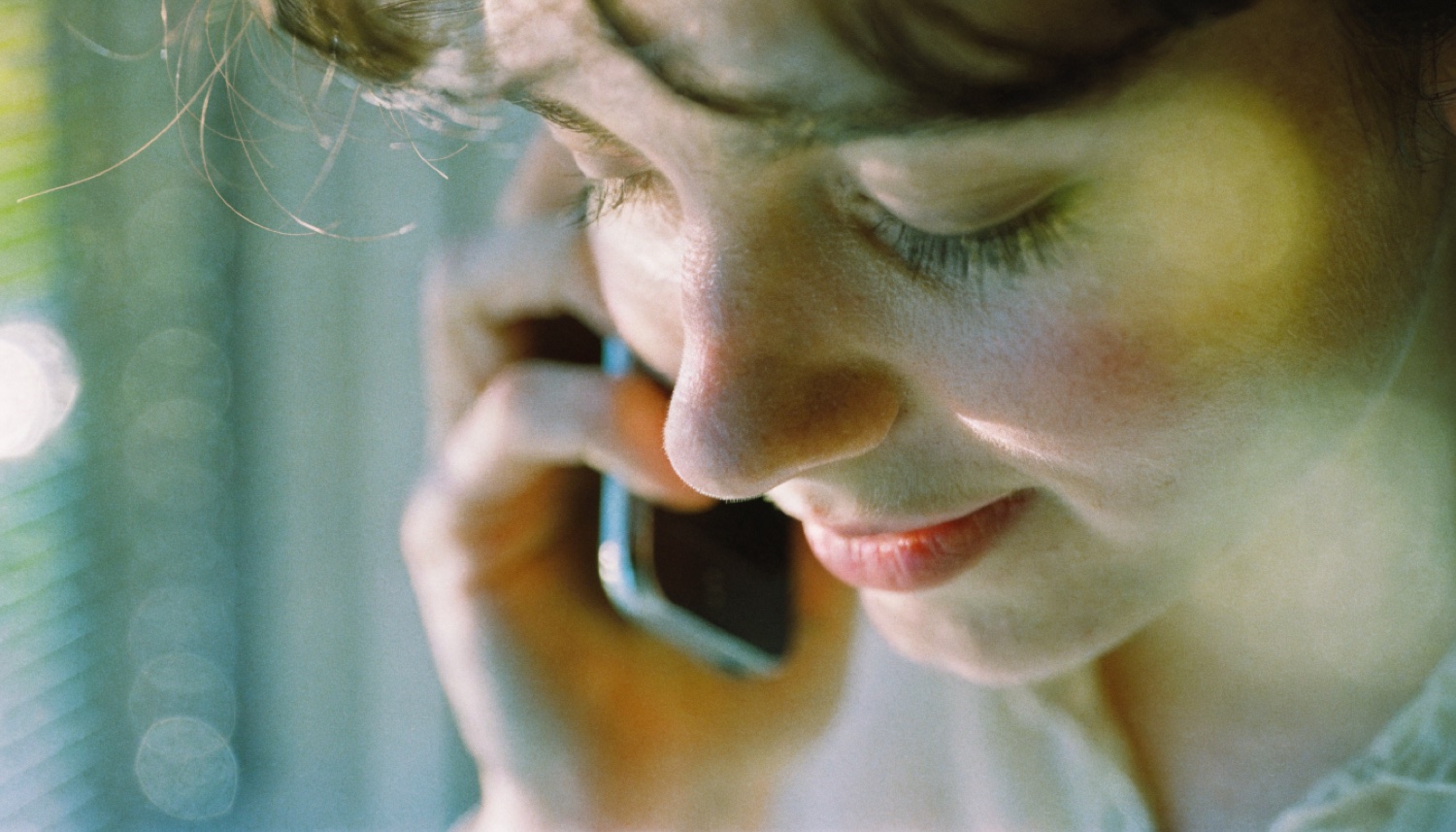 Found Journal
Think about the last time a single photo stopped you. A good one — the light right, the smile easy. In the half-second before you'd read a word or heard a sound, you already felt something. You'd already decided, a little. That's the strange power of a face on a screen: it gets there before your thinking does.
And it's worth asking what, exactly, you decided about. Because a photo gives you almost nothing true about a person. It gives you a surface — and your mind does the rest.
Photos start the fantasy machine
One good photo and your imagination gets to work. You build the personality to match the jawline. You give them a lifestyle, a sense of humour, a way of texting back. You write the first date and, if you're honest, a bit of the future too. None of it came from them. All of it came from you.
So by the time you actually meet — or even just start talking — you're not meeting a person. You're meeting a projection. A character you cast in a story they never auditioned for. And here's the quiet cruelty of it: the real human can never match the one you invented, because the invented one was built to be perfect for you. You set them up to fall short before they said a word.
A voice carries truth a photo can't
Now hear that same person say something. Anything — what they did on the weekend, why a song stuck with them, a story that made them laugh. In a few seconds you learn things a photo will never tell you. There's warmth or there isn't. There's humour, or a particular kind of nervousness that's actually rather sweet. You can hear whether they're listening or just waiting to talk.
A voice has texture. It has pace and pauses, the catch when someone's a little shy, the lift when they land on something they love. It's all the small, unstaged stuff that makes a person specific — and that specificity is exactly what fantasy can't survive. It's very hard to spin a whole imaginary life around a real, warm, slightly imperfect voice. The voice keeps insisting on being itself.
Listening is slower than looking
This is the part that matters most, and it's the simplest. Looking is instant. A photo lets you judge in a split second — yes, no, next — and that speed is the whole problem. It turns people into a verdict before they've had a chance to be a person.
A voice won't let you do that. You have to give it a moment. You have to stay, and actually listen, and let the seconds pass. That small slowing-down feels like nothing, but it's where everything real begins. Curiosity needs a beat to wake up. Attention needs somewhere to land. Connection — the genuine kind, not the spark you imagined onto a picture — only gets a chance when you stop deciding and start hearing.
None of this means looks don't matter, or that you won't ever see a face. It just means the order is doing something to you. See first, and you judge, then maybe listen. Listen first, and you're curious, and the face arrives as a detail about someone you've already begun to know — not a verdict you hand down on a stranger. If you've been drawn to the idea of slow dating, this is the smallest, most practical version of it: change what comes first.
The short version
- One good photo and your brain writes the whole person — you meet a projection, not a human.
- The real person can never match the novel you wrote, because you built them to be perfect for you.
- A voice carries warmth, humour, nerves, and whether someone actually listens — truth a photo can't hold.
- A voice has texture, which makes it much harder to turn into a fantasy.
- Looking is instant judgement; listening makes you slow down, and that small pause is where real connection starts.
This is the whole reason Found works the way it does. In Found you hear someone's voice before you ever see their face — the reversal is on purpose. We veil the photo and let the voice go first, so you arrive curious instead of certain, and so the person gets to be a person before they're a picture. It's a small change in order that quietly changes everything that follows.