Tinder and Hinge Burnout Is Real — And It's By Design
If swiping has left you exhausted, here's the part that helps: it was never just you. Even the people who built these apps have said so out loud.
 Found Journal
Let's start with the number that tells you you're not alone.
In a 2024 survey of 1,000 people who'd used a dating app in the past year, 78% said they feel burnt out by it — sometimes, often, or always. Women felt it more than men (80% vs 74%). Among Millennials and Gen Z it was 79%, and Gen Z were the most likely of anyone to say they always feel exhausted by dating apps.
So if you've felt that flat, hollowed-out feeling after a swiping session, you're not broken and you're not failing. You're the overwhelming majority. The real question is why — and the answer is more deliberate than most people realise.
Tinder's own co-founder compared it to a slot machine
This isn't a conspiracy theory. It's on the record. In the documentary Swiped: Hooking Up in the Digital Age, Tinder co-founder Jonathan Badeen explained that the swipe was inspired by the work of behavioural psychologist B.F. Skinner — the man who got pigeons hooked on a feeder that paid out at random, until the birds pecked compulsively like little gamblers.
That "nice little rush" is the whole engine. It's called a variable reward — the same mechanism that makes poker machines so hard to walk away from. You don't keep pulling the lever because it always pays out. You keep pulling because it might. Your brain runs on the maybe.
Then it went to court
On Valentine's Day 2024, a class-action lawsuit was filed in California against Match Group — the company that owns Tinder, Hinge, OkCupid, Plenty of Fish and The League. The claim, in plain English: the apps are built to keep you on them, not to get you off them.
The lawsuit alleges Match's apps use "recognised dopamine-manipulating product features" to turn users into "gamblers locked in a search for psychological rewards that Match makes elusive on purpose" — a "pay-to-play loop" propped up by push notifications and rewards that, it claims, punish you for disengaging.
To be fair — and this matters — Match Group denies all of it. The company called the suit "ridiculous" with "zero merit," and says: "Our business model is not based on advertising or engagement metrics. We actively strive to get people on dates every day and off our apps." The case is still unresolved, and an allegation is not a verdict. But you don't need a court to confirm what the co-founder already told a film crew.
"Designed to be deleted" — by the company being sued for the opposite
Here's the irony that sits at the centre of all this. Hinge's entire brand is the slogan "designed to be deleted" — complete with a furry mascot, Hingie, who joyfully dies every time a couple falls in love and leaves. It's genuinely lovely marketing, and Hinge really is built to feel more intentional than Tinder.
But Hinge is owned by the very same Match Group that a lawsuit accuses of engineering compulsion. So you're left with the honest question the marketing can't answer: if these apps were truly designed to be deleted, why does 78% of everyone feel too burnt out to keep going? An app that genuinely wanted you to leave happy would be measured by how fast you find someone — not by how long you keep scrolling.
What the burnout actually costs you
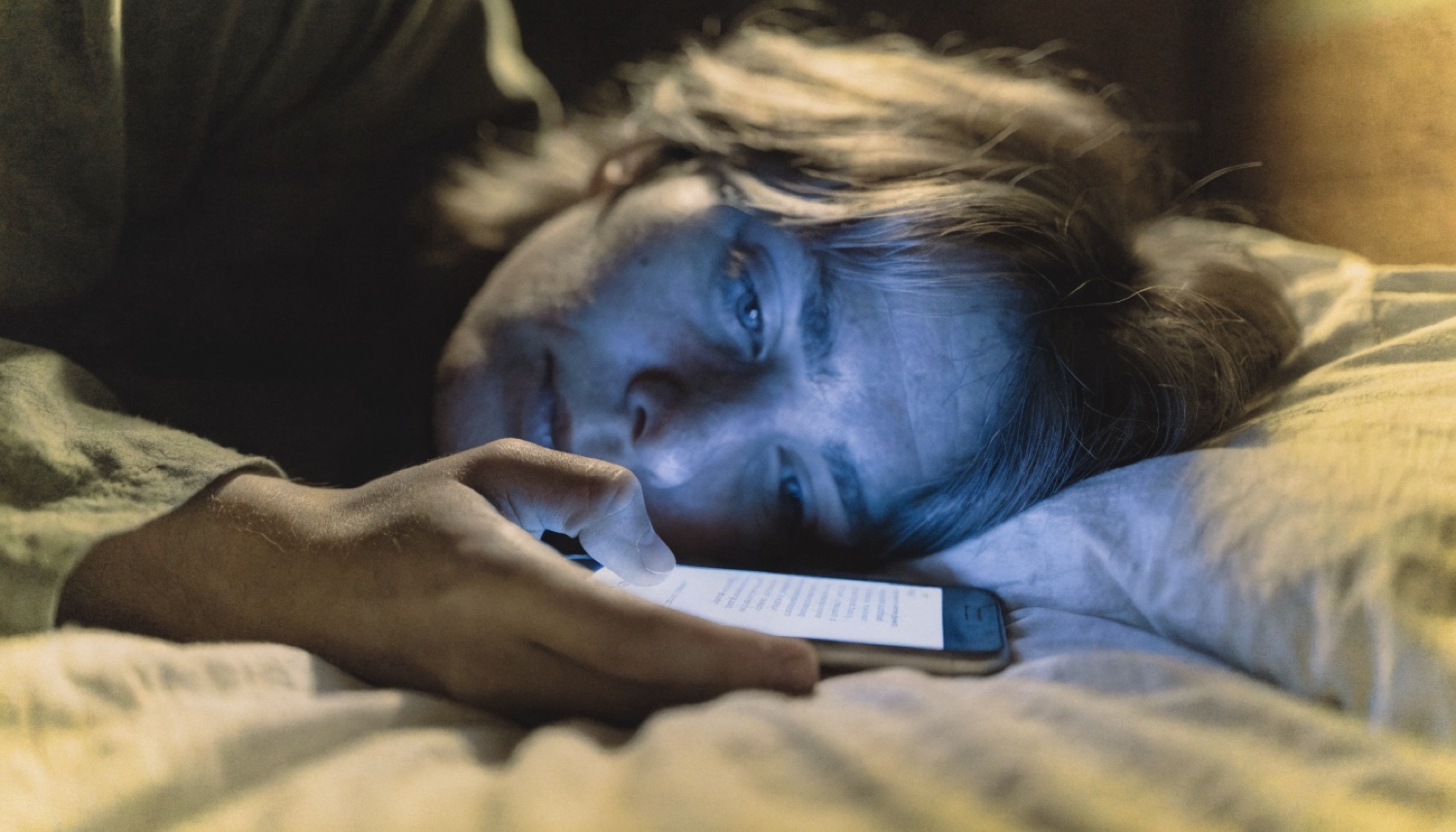
The damage isn't only time, though that's real too — dating app users average around 51 minutes a day on these platforms. The deeper cost is emotional. Every swipe is a tiny judgement. Every match is a small hope. Every unanswered message is a quiet little rejection. None of them matter on their own. Stacked up over months — hundreds of micro-hopes and micro-letdowns — they add up to genuine fatigue, and slowly teach you to expect less of people before you've even met them.
The pattern looks the same for almost everyone caught in it: the half-hearted late-night scroll out of habit rather than hope. The match that sparkles for three days of texting and then evaporates the moment a real meeting comes up. The growing suspicion that everyone — including you — is just killing time. That's not a personal flaw. That's the predictable result of a machine doing exactly what it was tuned to do.
A different bet
This is the whole reason Found exists — and why it deliberately throws away the parts that cause the burnout. No endless feed. No slot machine. You live your life, check in when you want to, and meet one genuinely compatible person at a time — their voice before their photo, calm by design. We go deeper on exactly how that works in Why Dating Apps Became Slot Machines.
Because the opposite of burnout isn't a better algorithm feeding you more faces. It's being introduced to one person, in the world you already live in, by something that actually wants you to leave.
The short version
- 78% of dating app users report burnout — women, Millennials and Gen Z most of all. You're the majority, not the exception.
- Tinder's co-founder openly compared the swipe to a slot machine, inspired by Skinner's variable-reward experiments.
- A 2024 class-action lawsuit accuses Match Group (Tinder, Hinge, OkCupid, more) of designing for compulsion. Match denies it; the case is unresolved.
- Hinge markets itself as "designed to be deleted" — yet shares an owner with the apps the lawsuit targets.
- Burnout is the machine working as intended — not a sign something's wrong with you.
Sources
- StudyFinds — "Swiped out: 8 in 10 admit they have dating app burnout" (2024 survey of 1,000 dating app users).
- CBS News — "Tinder and Hinge dating apps are designed to addict users, lawsuit claims" (Feb 2024) — including Match Group's denial.
- BroBible — Tinder's swipe mechanic, B.F. Skinner, and co-founder Jonathan Badeen's "slot machine" quote (from the documentary Swiped).
- Creative Review — Hinge's "Designed to be Deleted" campaign.